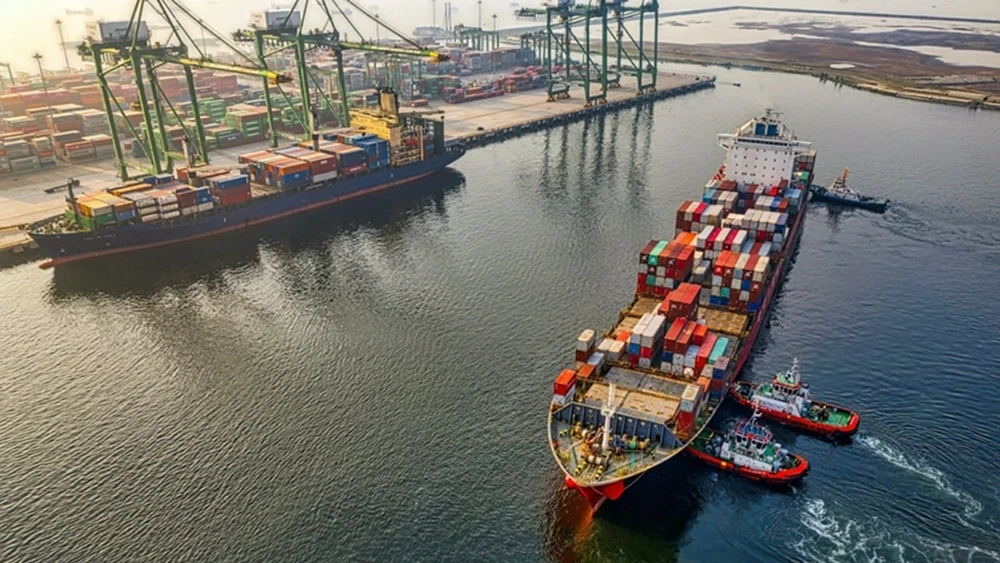
What is P2P Shipping?
Tech & Innovation Feb 26, 2025 3 min read time

What is P2P Shipping?

Start Exploring
  • Earn money and travel for free
  • Buy everything from anywhere
  • Send your luggage quickly
Get Started
Summary

Peer-to-peer (P2P) shipping is an innovative delivery model. It connects individuals who need to send items with travelers who have extra space in their luggage. This direct connection between senders and travelers eliminates traditional shipping intermediaries. It creates a more efficient, cost-effective, and personalized shipping experience. How P2P Shipping Works At its core, P2P shipping

Peer-to-peer (P2P) shipping is an innovative delivery model. It connects individuals who need to send items with travelers who have extra space in their luggage. This direct connection between senders and travelers eliminates traditional shipping intermediaries. It creates a more efficient, cost-effective, and personalized shipping experience.

P2P Shipping

How P2P Shipping Works

At its core, P2P shipping operates on a simple principle: matching people who need to ship items with travelers heading to the same destination. Here’s how the process typically unfolds:

  1. A sender lists an item they need shipped to a specific location
  2. Travelers who are already planning to visit that destination browse available shipping requests
  3. When a match is found, the sender and traveler agree on terms, including compensation
  4. The traveler transports the item during their journey and delivers it upon arrival

Benefits of P2P Shipping

Cost Savings

Traditional international shipping can be prohibitively expensive, especially for heavier items or remote destinations. P2P shipping leverages existing travel plans to reduce costs dramatically, often resulting in 40-70% savings compared to conventional services.

Speed and Reliability

Items shipped through P2P networks frequently arrive faster than those sent through standard mail services. They travel with passengers on direct flights. This is more efficient than through complex logistics networks with multiple transfers.

Expanded Access

P2P shipping opens doors to regions that are poorly served by major carriers or have limited infrastructure. This makes global commerce more inclusive and accessible.

Environmental Benefits

By utilizing space in luggage that would otherwise go empty, P2P shipping reduces the carbon footprint associated with dedicated shipping vehicles and packaging.

The Future of P2P Shipping

As global mobility continues to increase, consumers seek alternatives to traditional shipping methods. P2P shipping is positioned for significant growth. The model not only addresses practical concerns of cost and efficiency but also fosters a more connected global community through person-to-person interactions.

P2P shipping represents more than just a logistical innovation. It’s a shift toward a more collaborative, efficient, and human-centered approach to moving goods around the world. This approach connects people directly, creating opportunities for cultural exchange while solving practical shipping challenges.


share

You may also like.

Discover insights, tips, and inspiration
Flight Delays: Causes and Solutions
Int. travel regulations Feb 24, 2025 6 min read time

Flight Delays: Causes and Solutions

Summary

Air travel has become an essential part of modern life, connecting people and businesses across the globe. However, flight delays remain a persistent challenge in the aviation industry, affecting millions of passengers each year. Understanding the root causes of these delays and exploring viable solutions can help travelers better prepare for their journeys and support

Air travel has become an essential part of modern life, connecting people and businesses across the globe. However, flight delays remain a persistent challenge in the aviation industry, affecting millions of passengers each year. Understanding the root causes of these delays and exploring viable solutions can help travelers better prepare for their journeys and support industry-wide improvements.

Common Causes of Flight Delays

Weather Conditions

Weather remains the most unpredictable and unavoidable cause of flight delays. Conditions such as:

  • Thunderstorms and lightning
  • Heavy fog or low visibility
  • Snowstorms and ice accumulation
  • Strong crosswinds
  • Hurricanes and tropical storms

These weather events can make takeoffs and landings unsafe, forcing airlines to delay flights until conditions improve. In 2023 alone, weather accounted for approximately 30% of all flight delays in the United States.

Air Traffic Congestion

As global air travel continues to grow, the skies and airports become increasingly congested. Major hubs often operate at or near capacity, creating bottlenecks that ripple throughout the system. When one flight is delayed, it can affect the scheduling of subsequent flights, creating a domino effect that impacts the entire network.

Mechanical Issues and Maintenance Requirements

Aircraft safety is paramount, and airlines must adhere to strict maintenance schedules and address any mechanical issues before takeoff. While these precautions are essential for passenger safety, they can lead to unexpected delays when problems are discovered during pre-flight checks.

Airline Operations and Staffing Challenges

Operational factors within airlines can also contribute to delays:

  • Crew availability and scheduling issues
  • Staff shortages, particularly pilots and mechanics
  • Late arrivals of connecting aircraft or crew
  • Computer system failures
  • Baggage handling delays

Airport Infrastructure Limitations

Many airports worldwide operate with aging infrastructure that wasn’t designed to handle current passenger volumes. Limited runway capacity outdated terminal facilities, and insufficient gate availability can all contribute to delays, particularly during peak travel periods.

Solutions to Reduce Flight Delays

Technological Advancements

The aviation industry continues to invest in technology to mitigate delays:

  • Advanced weather prediction systems that allow for better planning
  • Improved air traffic management systems using artificial intelligence
  • Predictive maintenance technology to identify potential mechanical issues before they cause delays
  • Digital twins of airports to simulate and optimize operations

Policy and Regulatory Changes

Government agencies and aviation authorities can implement policies to address systemic issues:

  • Slot management reforms at congested airports
  • Airspace redesign to increase capacity
  • Performance-based navigation procedures to reduce separation requirements
  • Incentive programs that reward airlines for on-time performance

Airline Operational Improvements

Airlines can take several steps to reduce delays within their control:

  • Building more buffer time into schedules
  • Improving crew scheduling and staffing levels
  • Investing in additional spare aircraft and parts
  • Enhancing communication systems among ground staff, flight crews, and passengers

Airport Infrastructure Development

Long-term solutions often require significant infrastructure investments:

  • Expanding runway capacity at major hubs
  • Modernizing terminal facilities to handle larger passenger volumes
  • Implementing advanced baggage handling systems
  • Developing satellite airports to reduce congestion at primary hubs

Passenger Education and Expectation Management

While not directly reducing delays, better passenger education can improve the travel experience:

  • Transparent communication about potential delays
  • Real-time updates through airline apps and notifications
  • Clear information about passenger rights during delays
  • Options for rebooking or compensation when significant delays occur

The Future of Flight Delay Management

The aviation industry continues to evolve, with several promising developments on the horizon:

  • Urban air mobility solutions to reduce ground transportation congestion
  • Integration of unmanned aircraft systems into the national airspace
  • Sustainable aviation technologies that may offer more operational flexibility
  • Global data sharing among airlines and air traffic control systems

Conclusion

Flight delays remain an unavoidable aspect of air travel, but understanding their causes can help travelers prepare for potential disruptions. Through a combination of technological innovation, policy reform, operational improvements, and infrastructure development, the aviation industry continues to work toward reducing the frequency and impact of delays.

While perfect punctuality may remain elusive in an industry subject to so many variables, collaborative efforts among airlines, airports, regulatory bodies, and passengers can lead to meaningful improvements in the reliability of air travel worldwide.

share

You may also like.

Discover insights, tips, and inspiration
London Heathrow Airport, United Kingdom (LHR)
Airports Feb 17, 2025 4 min read time

London Heathrow Airport, United Kingdom (LHR)

Start Exploring
  • Earn money and travel for free
  • Buy everything from anywhere
  • Send your luggage quickly
Get Started
Summary

As one of the world’s busiest international airports, London Heathrow Airport (LHR) serves as a crucial hub for global connections. Whether you’re meeting someone arriving from an international flight or coordinating a meetup, understanding Heathrow’s public areas is essential for a smooth experience. Terminal Layout Heathrow operates four active terminals (T2, T3, T4, and T5),

As one of the world’s busiest international airports, London Heathrow Airport (LHR) serves as a crucial hub for global connections. Whether you’re meeting someone arriving from an international flight or coordinating a meetup, understanding Heathrow’s public areas is essential for a smooth experience.

London Heathrow Airport, United Kingdom (LHR)

Terminal Layout

Heathrow operates four active terminals (T2, T3, T4, and T5), each with designated meeting points and public areas. All terminals feature clearly marked meeting points after customs and baggage claim, making it convenient for travelers to connect with waiting parties.

Public Meeting Areas by Terminal

Terminal 2 (The Queen’s Terminal)

  • Main Arrivals Hall: Located on Level 1
  • Costa Coffee meeting point
  • WHSmith corner
  • Digital display boards showing flight information

Terminal 3

  • Arrivals Hall with the “Big Top” meeting area
  • Café Nero seating zone
  • Information desk meeting point
  • Costa Coffee seating area

Terminal 4

  • Central Arrivals Hall
  • Costa Coffee meeting zone
  • Boots store meeting point
  • WH Smith corner

Terminal 5

  • Main Arrivals Hall on Ground Floor
  • Costa Coffee meeting area
  • Café Nero seating zone
  • The Harry Potter shop meeting point
London Heathrow Airport, United Kingdom (LHR)

Best Meeting Points

For the most convenient meetups, we recommend:

  1. The Costa Coffee locations in each terminal – they’re spacious, easy to find, and offer comfortable seating
  2. Information desk areas – well-lit and centrally located
  3. The designated “Meeting Point” signs with numbered zones

Airport Map Access

To help you navigate Heathrow’s terminals efficiently, download the official Heathrow Airport map:
Download Heathrow Airport Map

Tips for Meeting at Heathrow

  1. Always confirm the exact arrival terminal before planning your meeting point
  2. Allow extra time for international arrivals to clear customs and collect baggage
  3. Use the free WiFi available throughout the terminals to stay connected
  4. Consider meeting at the arrivals level rather than departures, as it’s generally less crowded

Transport Links

All terminals are well-connected via:

  • Free train transfers between terminals
  • Underground (Piccadilly Line)
  • Heathrow Express
  • Local and long-distance buses
  • Taxi ranks
  • Ride-sharing pickup points

Accessibility

Each terminal features:

  • Step-free access throughout public areas
  • Accessible restrooms
  • Special assistance meeting points
  • Wheelchair availability
  • Hearing loops at information desks

Safety and Security

Public areas are monitored 24/7 by airport security. For your safety:

  • Never leave bags unattended
  • Keep valuable items secure
  • Be aware of your surroundings
  • Follow staff instructions during busy periods

Hours of Operation

The public areas in all terminals are accessible 24/7, though some shops and facilities may have limited hours. Information desks are staffed from 5:30 AM to 10:30 PM daily.

Whether you’re meeting arriving passengers or coordinating a pickup, Heathrow’s well-organized public areas make it easy to connect. Remember to plan ahead and use the designated meeting points for the most efficient experience.

share

You may also like.

Discover insights, tips, and inspiration
Denver International Airport, United States (DEN)
Airports Feb 13, 2025 4 min read time

Denver International Airport, United States (DEN)

Summary

Denver International Airport (DEN) stands as one of America’s busiest travel hubs, serving millions of passengers annually. Whether you’re meeting arriving travelers or planning to connect with someone at the airport, understanding DEN’s public areas is essential for a smooth experience. Main Terminal (Jeppesen Terminal) The Jeppesen Terminal serves as the primary meeting point for

Denver International Airport (DEN) stands as one of America’s busiest travel hubs, serving millions of passengers annually. Whether you’re meeting arriving travelers or planning to connect with someone at the airport, understanding DEN’s public areas is essential for a smooth experience.

Main Terminal (Jeppesen Terminal)

The Jeppesen Terminal serves as the primary meeting point for arriving passengers and visitors. This six-story structure offers several convenient meeting locations:

Level 5 (Main Terminal)

  • Great Hall: A vast, open space with the iconic white-tented roof
  • Multiple seating areas with clear views of escalators from baggage claim
  • Information desk staffed 24/7 for assistance
  • Several coffee shops and restaurants perfect for waiting

Level 6 (Mezzanine)

  • Additional seating areas overlooking the Great Hall
  • Restaurant options with table seating
  • Less crowded than Level 5, offering a quieter meeting environment

Arrival Areas

Level 5 (East & West)

  • Door spacing every 50 feet for easy pickup coordination
  • Clearly marked door numbers for precise meeting points
  • Covered waiting areas protecting from weather
  • Digital displays showing flight information

Meeting Point Tips

  1. Coordinate the specific door number (1-516) for easy location
  2. Use the free cell phone waiting lot if picking up passengers
  3. Meet at one of the many seating areas in the Great Hall
  4. Consider meeting at an easily identifiable restaurant or shop

Airport Map Access

To help you navigate Denver terminals efficiently, download the official Denver International Airport map:
Download Denver International Airport Map

Transportation Hub

The Transit Center, located beneath the Westin Denver International Airport hotel, serves as another convenient meeting point, featuring:

  • RTD A-Line train platform
  • Bus terminal
  • Additional seating areas
  • Clear signage and wayfinding

Security Considerations

For those meeting at DEN, remember:

  • Public areas are monitored 24/7 by airport security
  • Follow all posted signage and security guidelines
  • Keep belongings with you at all times
  • Report any suspicious activity to airport personnel

Planning Your Meet-Up

When arranging to meet someone at Denver International Airport:

  • Choose a specific location rather than a general area
  • Account for potential delays in flight arrivals
  • Consider peak travel times when selecting meeting spots
  • Have a backup meeting point in case of crowding

Additional Amenities

The public areas of DEN offer various services to make your wait more comfortable:

  • Free Wi-Fi throughout the terminal
  • Multiple charging stations
  • Currency exchange services
  • Shopping options
  • Art exhibitions and installations

Denver International Airport’s well-designed public spaces make it an ideal location for meeting arriving passengers or conducting brief meetups. With its clear signage, numerous amenities, and spacious layout, DEN ensures a comfortable experience for all visitors.

For the most current information about Denver International Airport, including real-time updates and temporary closures, please visit the official DEN website or contact the airport directly.

share

You may also like.

Discover insights, tips, and inspiration
Why Crowdsource Shipment is Necessary in Modern Era
Travel Smart Feb 8, 2025 3 min read time

Why Crowdsource Shipment is Necessary in Modern Era

Summary

In today’s interconnected world, the demand for international shipping continues to grow exponentially. However, traditional shipping methods often come with hefty price tags and lengthy delivery times. This is where crowdsourced shipment emerges as a game-changing solution, transforming how we think about global item transfers. The Rising Costs of Traditional Shipping International shipping costs have

In today’s interconnected world, the demand for international shipping continues to grow exponentially. However, traditional shipping methods often come with hefty price tags and lengthy delivery times. This is where crowdsourced shipment emerges as a game-changing solution, transforming how we think about global item transfers.

The Rising Costs of Traditional Shipping

The Rising Costs of Traditional Shipping

International shipping costs have skyrocketed in recent years. Major carriers frequently impose substantial fees for cross-border deliveries, making it increasingly difficult for individuals and small businesses to maintain global connections. These expenses can sometimes exceed the value of the items being shipped, creating a significant barrier to international commerce and personal item transfers.

Time: The Modern Currency

Traditional shipping methods often involve multiple handling points, customs delays, and complex logistics chains. A package might take weeks to reach its destination, which is increasingly unacceptable in our fast-paced world. Crowdsourced shipping leverages existing travel routes, potentially reducing delivery times from weeks to days.

Benefits for Travelers: Turning Empty Luggage Space into Opportunity

Travelers participating in crowdsourced shipping enjoy several advantages:

  • Extra income from unused luggage space
  • Ability to offset travel costs
  • Flexible selection of items they’re willing to carry
  • Complete transparency in the process
  • Building trust-based relationships within the global community

Advantages for Senders: Cost-Effective and Reliable Solutions

For those looking to ship items internationally, crowdsourced shipping offers compelling benefits:

  • Significantly lower shipping costs compared to traditional carriers
  • Direct communication with carriers
  • Real-time tracking through traveler updates
  • Faster delivery times through direct routes
  • More personalized handling of items

The Environmental Impact

Traditional shipping methods contribute significantly to global carbon emissions. Crowdsourced shipping utilizes existing travel routes, effectively reducing the carbon footprint per item shipped. By piggy-backing on journeys already taking place, we minimize the environmental impact of international deliveries.

Building Trust in the Sharing Economy

The success of platforms like Airbnb and Uber has demonstrated that trust-based sharing economy models work. Crowdsourced shipping extends this proven concept to international logistics, creating a community-driven solution that benefits all participants while maintaining high security and reliability standards.

The Role of Technology

Modern crowdsourced shipping platforms leverage advanced technology to ensure:

  • Secure matching between senders and travelers
  • Real-time tracking and updates
  • Verified user profiles and ratings
  • Secure payment processing
  • Insurance coverage for items

Looking Ahead

As global commerce continues to expand and cross-border shopping becomes increasingly common, crowdsourced shipping is positioned to play a crucial role in the future of international logistics. It’s not just an alternative to traditional shipping – it’s a necessary evolution in how we think about moving items across borders.

The combination of cost savings, reduced delivery times, environmental benefits, and community building makes crowdsourced shipping not just appealing but necessary in our modern era. As more people recognize these advantages, we can expect this innovative approach to become an increasingly important part of the global shipping landscape.

share

You may also like.

Discover insights, tips, and inspiration
Comparison between Different Methods of Shipments
Int. travel regulations Feb 2, 2025 4 min read time

Comparison between Different Methods of Shipments

Start Exploring
  • Earn money and travel for free
  • Buy everything from anywhere
  • Send your luggage quickly
Get Started
Summary

In today’s interconnected world, sending items internationally has become a common necessity. Whether you’re a business owner shipping products to customers or an individual sending gifts to loved ones abroad, understanding the different methods of shipments available can help you make informed decisions. Let’s explore the main shipping options and their respective advantages and disadvantages.

In today’s interconnected world, sending items internationally has become a common necessity. Whether you’re a business owner shipping products to customers or an individual sending gifts to loved ones abroad, understanding the different methods of shipments available can help you make informed decisions. Let’s explore the main shipping options and their respective advantages and disadvantages.

Traditional Courier Services

International courier services like DHL, FedEx, and UPS have long been the go-to option for global shipping.

Traditional Courier Services

Pros:

  • Reliable tracking systems
  • Door-to-door delivery
  • Wide global coverage
  • Insurance options available
  • Professional handling of packages
  • Established customs clearance processes

Cons:

  • High costs, especially for heavy items
  • Additional fees for remote areas
  • Strict packaging requirements
  • Limited flexibility in delivery times
  • Potential customs delays
  • Surcharges during peak seasons

Postal Services

National postal services offer international shipping through partnerships with other countries’ postal systems.

Pros:

  • Generally, more affordable than courier services
  • Wide network of drop-off locations
  • Basic tracking available in many cases
  • Suitable for smaller, non-urgent packages
  • Regular scheduled deliveries

Cons:

  • Longer delivery times
  • Less reliable tracking
  • Limited insurance options
  • Higher risk of lost packages
  • Inconsistent service quality across countries
  • Limited express delivery options

Freight Forwarding

This method is particularly useful for larger shipments and commercial goods.

Pros:

  • Cost-effective for large volumes
  • Multiple transportation options (sea, air, land)
  • Consolidated shipping options
  • Professional customs handling
  • Suitable for complex shipping routes
  • Specialized handling capabilities

Cons:

  • Longer transit times, especially for sea freight
  • Minimum weight/volume requirements
  • Complex documentation
  • Less suitable for individual packages
  • Limited tracking capabilities
  • Usually requires commercial registration

Traveler-Based Shipping

This innovative approach connects senders with travelers who can transport items during their planned journeys.

Pros:

  • Significantly lower costs
  • Faster delivery in many cases
  • More flexible pickup and delivery options
  • Personal handling of items
  • Reduced carbon footprint
  • Direct communication between sender and carrier

Cons:

  • Availability depends on travel routes
  • Limited insurance options
  • Requires trust between parties
  • Size and weight restrictions
  • Subject to traveler’s schedule
  • May have regulatory considerations

Choosing the Right Method

Choosing the right option from the many different methods of shipments depends on several factors:

  • Urgency of delivery
  • Budget constraints
  • Package size and weight
  • Destination country
  • Item value and sensitivity
  • Required tracking and insurance

Future of International Shipping

The shipping industry continues to evolve with new technologies and innovative solutions. Platforms that connect travelers with senders are gaining popularity, offering cost-effective alternatives to traditional shipping methods. These peer-to-peer shipping solutions are particularly attractive for those seeking to balance cost, speed, and reliability.

Conclusion

When you compare the different methods of shipments, each has its unique advantages and limitations. Traditional courier services excel in reliability and tracking but come at a higher cost. Postal services offer affordability but may sacrifice speed and reliability. Freight forwarding works well for large shipments but requires more planning. Traveler-based shipping provides a cost-effective alternative with personal touch, though availability may vary.

Understanding these differences helps in making informed decisions based on specific shipping needs. As the industry continues to evolve, new solutions emerge to address the gaps in traditional shipping methods, providing more options for global item transfer.

share

You may also like.

Discover insights, tips, and inspiration
The Future of Sustainable Air Travel: Embracing Green Initiatives
Travel Smart Jan 26, 2025 2 min read time

The Future of Sustainable Air Travel: Embracing Green Initiatives

Summary

Air travel has long been a cornerstone of global connectivity, enabling people and goods to traverse vast distances in record time. However, as environmental concerns grow, the aviation industry is under increasing pressure to adopt sustainable practices. In this article, we explore key trends and initiatives that are shaping the future of green air travel.

Air travel has long been a cornerstone of global connectivity, enabling people and goods to traverse vast distances in record time. However, as environmental concerns grow, the aviation industry is under increasing pressure to adopt sustainable practices. In this article, we explore key trends and initiatives that are shaping the future of green air travel.

The Future of Sustainable Air Travel: Embracing Green Initiatives

The Future of Sustainable Air Travel

1. Advancements in Sustainable Fuels

One of the most promising developments in the quest for eco-friendly air travel is the rise of sustainable aviation fuels (SAF). Made from renewable resources such as algae, waste oils, and agricultural residues, SAF can reduce carbon emissions by up to 80% compared to traditional jet fuel. Airlines worldwide are investing heavily in SAF production to meet ambitious carbon reduction targets.

2. Energy-Efficient Aircraft Designs

Energy-Efficient Aircraft

Aircraft manufacturers are innovating to create more fuel-efficient designs. For instance, blended-wing body designs and lightweight composite materials are being used to reduce drag and improve fuel efficiency. Electric and hybrid-electric aircraft are also on the horizon, potentially revolutionizing short-haul flights.

3. Carbon Offsetting Programs

Many airlines now offer passengers the option to offset the carbon footprint of their flights. These programs fund environmental projects such as reforestation, renewable energy development, and conservation efforts. While not a permanent solution, carbon offsetting is a step towards mitigating the environmental impact of air travel.

4. Optimized Flight Operations

Improved air traffic management and optimized flight routes can significantly reduce fuel consumption. By adopting advanced navigation technologies, airlines can minimize delays, shorten flight times, and improve operational efficiency, all of which contribute to lower emissions.

5. Passenger Awareness and Responsibility

Travelers also play a vital role in supporting sustainable air travel. By choosing airlines with strong environmental commitments, packing efficiently to reduce weight, and participating in carbon offset programs, passengers can contribute to the industry’s green transformation.

Conclusion

The journey toward sustainable air travel is a collective effort involving airlines, manufacturers, governments, and passengers. By embracing innovative technologies and green practices, the aviation industry can continue to thrive while reducing its environmental impact. As these initiatives gain momentum, the dream of guilt-free flying may soon become a reality.

share

You may also like.

Discover insights, tips, and inspiration
How to Legally Carry Cargo on Flights: A Traveler’s Guide
Legal & Compliance Jan 26, 2025 2 min read time

How to Legally Carry Cargo on Flights: A Traveler’s Guide

Summary

Introduction Many travelers are curious about the regulations to carry cargo on flights. This post provides a comprehensive guide to ensure the legal transportation of cargo via air travel, covering everything from airline policies to customs. 1. Airline Policies Before planning your trip, consult with the airline to understand their baggage policies, weight restrictions, and

Introduction

Many travelers are curious about the regulations to carry cargo on flights. This post provides a comprehensive guide to ensure the legal transportation of cargo via air travel, covering everything from airline policies to customs.

How To Legally Carry Cargo as an Air Traveler

1. Airline Policies

Before planning your trip, consult with the airline to understand their baggage policies, weight restrictions, and any fees for carrying additional or oversized items. Each airline has specific rules, so being informed in advance can save you from delays or unexpected expenses.

2. Customs and Security

Ensure you familiarize yourself with the customs regulations of your departure and destination countries. Make sure your cargo complies with international and local regulations. Always declare your items accurately to avoid penalties or confiscation.

3. Documentation

Proper documentation is key when transporting cargo. This includes:

  • Invoices
  • Letters of authorization
  • Customs declarations

Having these documents in order ensures smooth processing at customs and avoids potential delays.

4. Prohibited Items

Airlines have a list of prohibited items, such as hazardous materials and restricted goods. Check these lists and avoid carrying anything that could cause complications.

  • Packaging and Labeling: Ensure your packages are securely packed and labeled with details like destination, contents, and hazard warnings.

5. Airport Procedures

When traveling with cargo, arrive early to allow ample time for:

  • Special baggage check-ins
  • Security inspections

This will help ensure you clear all necessary steps without issues.

6. Insurance

Consider purchasing insurance for your cargo, especially if it is valuable. This provides peace of mind and financial coverage in case of loss or damage.

7. International Regulations

Understand international aviation regulations, such as those set by the International Air Transport Association (IATA). Compliance with these regulations ensures the smooth transport of goods across borders.

IATA Center

8. Tips for Smooth Transportation

  • Use reputable shipping services if necessary.
  • Keep all receipts and important contact numbers handy.
  • Always double-check customs requirements and airline guidelines.

9. Final Thoughts

Being informed and prepared is crucial when you carry cargo on flights as an air traveler. Stay up to date with airline policies and customs regulations to ensure a stress-free and successful experience.

share
The Future of Global Shipping with SendBypass
Tech & Innovation Jan 26, 2025 2 min read time

The Future of Global Shipping with SendBypass

Start Exploring
  • Earn money and travel for free
  • Buy everything from anywhere
  • Send your luggage quickly
Get Started
Summary

Introduction In today’s fast-paced and interconnected world, global shipping plays a critical role in commerce and everyday life. However, traditional shipping methods often face challenges such as high costs and environmental impact. Enter SendBypass, a revolutionary platform shaping the future of global shipping by connecting travelers, senders, and shoppers in a seamless ecosystem. The Challenges

Introduction

The Future of Global Shipping with SendBypass

In today’s fast-paced and interconnected world, global shipping plays a critical role in commerce and everyday life. However, traditional shipping methods often face challenges such as high costs and environmental impact. Enter SendBypass, a revolutionary platform shaping the future of global shipping by connecting travelers, senders, and shoppers in a seamless ecosystem.

The Challenges in Traditional Shipping

The conventional shipping industry faces numerous inefficiencies:

  1. High Costs: International shipping can be prohibitively expensive, especially for individual senders and small businesses.
  2. Environmental Concerns: Standard logistics systems often contribute to carbon emissions due to redundant routes and packaging waste.
  3. Limited Accessibility: Many international markets remain out of reach due to logistical hurdles and financial barriers.

SendBypass addresses these issues, offering an innovative, sustainable, and efficient solution for the modern shipping landscape.

What is SendBypass?

SendBypass fosters a sense of community, empowering individuals to participate in global commerce while contributing to sustainability. It offers a smarter, eco-friendly alternative that represents the future of global shipping, making logistics more accessible and affordable for everyone.

How SendBypass Works

The process is simple yet effective:

  1. Senders Post Requests: Senders list packages or products they need to ship.
  2. Travelers Offer to Carry: Travelers heading to the destination accept and carry the packages.
  3. Shoppers Order Globally: Shoppers can order items from international markets and have them delivered via travelers.

By leveraging existing travel routes, SendBypass optimizes delivery and minimizes costs.

Redefining Logistics: The Future of Global Shipping

Features and Benefits

  1. Cost Efficiency
    • Travelers and senders save on expensive courier fees.
    • Shoppers gain access to products at lower costs by bypassing traditional shipping.
  2. Sustainability
    • By using existing travel routes, SendBypass reduces redundant logistics and cuts carbon emissions.
  3. Transparency and Security
    • Real-time tracking ensures senders and recipients stay informed.
    • Secure payments are held in escrow until delivery confirmation.
  4. Global Accessibility
    • The platform enables individuals and small businesses to reach international markets with ease.

Why Choose SendBypass?

SendBypass fosters a sense of community, empowering individuals to participate in global commerce while contributing to sustainability. It offers a smarter, eco-friendly alternative to traditional shipping, making global logistics more accessible and affordable for everyone.

Join the Movement

Embrace the future of global shipping with SendBypass! Sign up today to become a traveler, sender, or shopper, and start transforming how you engage with global commerce.

share

You may also like.

Discover insights, tips, and inspiration
Bridging the Gap in International Shipping
Tech & Innovation Jan 26, 2025 1 min read time

Bridging the Gap in International Shipping

Summary

Introduction E-commerce is growing exponentially, yet a significant gap in international shipping remains a challenge for many businesses and consumers. High costs, logistical hurdles, and environmental concerns have created a need for innovative solutions. The Challenges in International Shipping Every year, millions of packages are delayed, lost, or shipped inefficiently due to outdated methods. Here

Introduction

Bridging the Gap in International Shipping

E-commerce is growing exponentially, yet a significant gap in international shipping remains a challenge for many businesses and consumers. High costs, logistical hurdles, and environmental concerns have created a need for innovative solutions.

The Challenges in International Shipping

Every year, millions of packages are delayed, lost, or shipped inefficiently due to outdated methods. Here are some key challenges:

  • High Costs: International shipping often comes with hefty fees, making it inaccessible for small businesses.
  • Environmental Impact: Inefficient shipping routes contribute to unnecessary carbon emissions.
  • Lack of Transparency: Many customers lack visibility into their package’s journey, leading to frustration.

How EcoShip Connect is Transforming Shipping

EcoShip Connect addresses the well-known gap in international shipping through innovative technology and community-driven solutions. Here’s how it transforms the industry:

  1. Smart Route Optimization
    By utilizing AI-powered algorithms, the platform identifies the most efficient shipping routes.
  2. Community-Based Model
    Travelers can carry packages for a fee, reducing costs for senders and utilizing unused luggage space.
  3. Sustainability Focus
    Leveraging existing travel routes minimizes environmental impact.

Empowering Businesses and Consumers

For Businesses:

  • Lower shipping costs, enabling access to international markets.
  • Increase in customer satisfaction due to faster and more reliable deliveries.

For Consumers:

  • Affordable cross-border shopping.
  • Increased trust with transparent tracking and secure transactions.

Building a Global Ecosystem

EcoShip Connect aims to foster a global community of businesses, travelers, and shoppers. Its focus on trust and collaboration ensures a seamless experience for all participants.

  • Trust and Reliability: Secure payment systems and vetted travelers ensure safety.
  • Accessibility for All: A user-friendly platform makes global shipping accessible to everyone.
  • Sustainability Practices: EcoShip Connect contributes to a greener planet by reducing waste and emissions.
share

You may also like.

Discover insights, tips, and inspiration